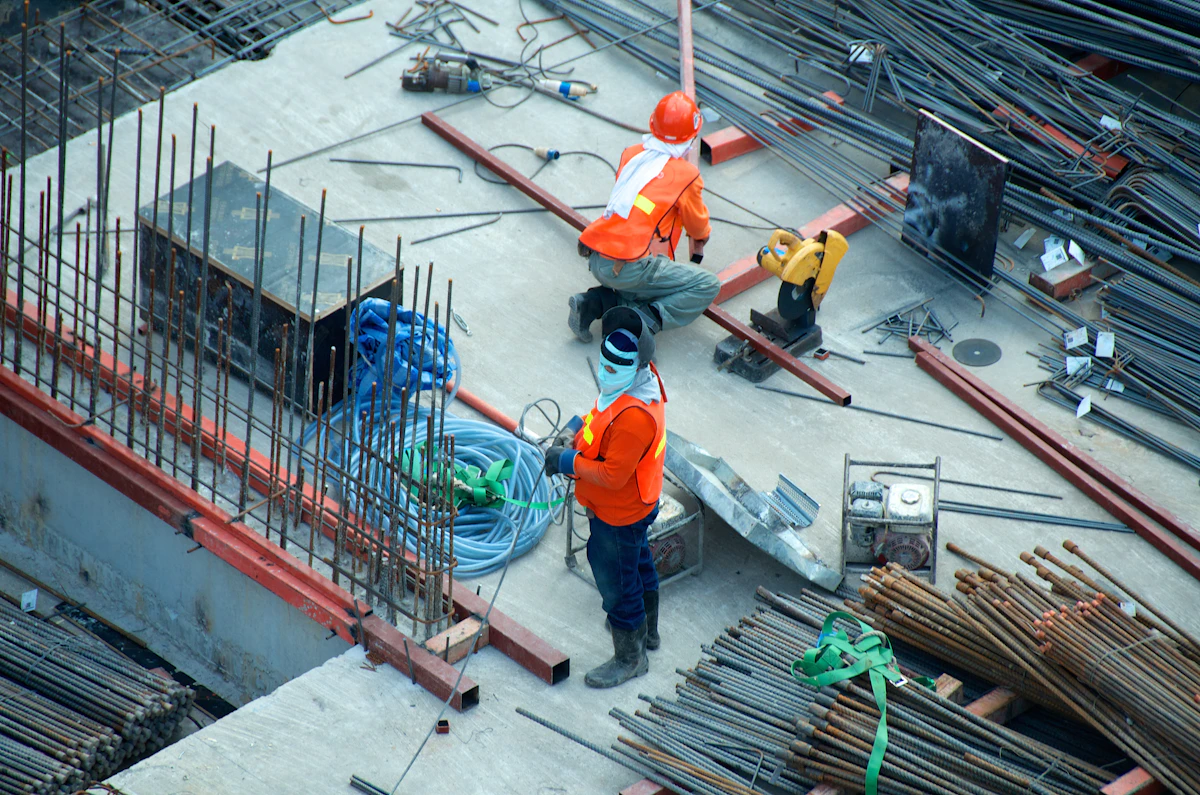
The slab stage is the first major construction milestone of your new home — and one of the most important. Problems in the concrete slab are among the most expensive defects to fix later, because by the time you notice symptoms (cracking, movement, subsidence), the entire home is built on top of the issue.
A thorough slab inspection at this stage costs a fraction of what remediation costs later. This checklist covers what to look for, what to document, and when to raise concerns.
When does the slab inspection happen?
The concrete slab is poured and must cure before the frame goes up. In most residential builds, this is referred to as the slab stage or base stage. Your lender (if you have a construction loan) typically requires a progress payment after the slab is complete, and your builder will request a progress claim at this point.
This is your window for inspection — before the frame covers the slab and before you make your payment.
Most contracts give you the right to have a private building inspector attend any stage inspection. For the slab, this right is critical. An independent inspector has the equipment and expertise to identify issues that a visual inspection alone won’t reveal.
What a good slab looks like
A correctly poured and cured residential slab should:
- Have a smooth, even surface with no significant undulation
- Have adequate thickness at all points (typically 85–100mm for the body, thicker at edges and footings)
- Sit at the correct height relative to the ground and finished floor level
- Have the correct rebates for plumbing penetrations
- Have no visible cracking beyond minor surface crazing
- Have been treated for termite protection before or during pour
- Have all required reinforcement (steel mesh and/or deformed bars) installed per the engineering drawings
Slab inspection checklist
Before you arrive
- Request a copy of the structural engineer’s slab drawings — what was designed vs. what was poured
- Request the concrete pour records — mix strength (MPa), pour date, pour method
- Confirm the slab has been allowed to cure fully before framing (minimum 7 days for standard concrete, longer in cold weather)
Site and drainage
- Surface drainage: the site should drain away from where the slab sits, not toward it
- The ground around the slab should be compacted and not show signs of uneven settlement
- No water pooling on or around the slab after rain (check if possible)
- Fill material (if used) was the correct engineered fill, not topsoil or organic material
Slab surface and dimensions
- Run a straight edge (2m minimum) across the slab in multiple directions — undulation should not exceed 5mm under a 2m rule per AS 3600
- Slab is at the correct finished floor level — check against your plans for floor-to-ceiling heights
- Slab thickness at edges: use a probe or measuring tape at exposed edges — should match drawings (often 300mm deep at perimeter footings)
- Slab surface is not “blistered” or showing excessive crazing (fine surface cracking across the top layer — this is a curing defect indicating the surface dried too quickly)
- No delamination of the surface — if you can scratch off a top layer easily, the surface is not properly integrated with the body of the slab
Reinforcement
- Steel reinforcement is not visible through the slab surface (this indicates inadequate concrete cover — steel will corrode)
- Mesh or bar positions match the structural drawings — use a cover meter (your inspector will have one) to verify steel depth
- Starter bars for walls are correctly positioned and at the correct height for your frame type
Plumbing penetrations
- All plumbing penetrations are in the correct locations per your plans
- Pipes are correctly protected at penetration points (no cracking around penetrations)
- All required drains are present and correctly positioned
- No pipes have been disturbed, shifted, or damaged during the pour
Termite protection
- Chemical barrier has been applied (certificate should be provided by the builder)
- OR physical termite protection has been installed at all penetrations and perimeter
- Termite protection is the correct product for your soil and climate type
Cracking
Not all cracks are equal. Know what you’re looking at:
- Surface crazing (map cracking): Fine, shallow cracks covering the surface. Usually a curing defect — the surface dried too fast. Generally cosmetic but indicates poor workmanship.
- Plastic shrinkage cracks: Occur within the first few hours of curing. Straight or diagonal cracks, usually shallow. If more than 0.3mm wide, flag for assessment.
- Structural cracks: Wider cracks (>0.3mm), cracks that go through the full depth of the slab, or cracks with differential movement (one side higher than the other). These require engineering assessment before the next stage begins.
- Settlement cracks: Long, diagonal cracks often indicating the fill has settled unevenly. A serious concern requiring geotechnical investigation.
Use a crack gauge (or a credit card — 0.85mm thick) as a rough reference for width. Any crack that accepts a credit card edge deserves closer inspection.
What to do if you find a problem
Minor surface issues
Surface crazing, minor plastic shrinkage cracks under 0.3mm, or small blemishes that don’t penetrate the slab body can often be monitored. Log these with photographs and specific measurements — if they grow or multiply, you have a baseline.
Penetrations in wrong locations
Wrong plumbing locations need to be fixed before framing — at this stage the cost is core-drilling and re-grouting a pipe. After framing, it means removing finished floors and potentially relocating walls.
Raise this with your builder immediately in writing, referencing your plans. Do not approve the progress payment until this is resolved.
Structural concerns
If your inspector identifies potential structural issues — insufficient reinforcement cover, cracks with differential movement, evidence of fill settlement — you need a structural engineer’s assessment before the build progresses.
Do not allow framing to proceed until you have written clearance from an independent structural engineer. Document your request to pause construction in writing.
Termite protection not completed
The builder should provide a certificate of termite protection treatment before framing. If they cannot provide this, framing should not proceed — the slab perimeter and penetration points must be protected before they’re covered.
Getting an independent slab inspection
An independent private building inspector at the slab stage typically costs $200–$400. Given that slab remediation can cost tens of thousands of dollars — and that a concrete slab once built upon cannot easily be replaced — this is one of the most cost-effective inspections you can book.
An independent inspector:
- Carries professional indemnity insurance
- Is not engaged by the builder (no conflict of interest)
- Has access to calibrated equipment (concrete scanner, cover meter, straight edge)
- Can issue a written report for your records and for your lender
Request the report in writing. Upload it to Checka alongside your own photographs so you have a single complete record.
What happens after the slab inspection
Once the slab is inspected and any concerns are resolved:
- Your lender will typically require a progress inspection by their valuer before releasing the base stage payment — this is separate from your private inspection
- The builder will move to the frame stage — this is your next stage inspection (see our frame inspection checklist)
- You should retain all slab documentation: pour records, structural certificates, termite certificates, and your inspection report
Log everything in Checka — you’re building a running record of your entire project that you’ll use right through to handover.
Stage inspection sequence
The slab inspection is the first in a sequence of stage inspections for a new home build:
- Slab / base stage (this guide)
- Frame stage — timber or steel frame erected
- Lock-up stage — roof, external walls, windows and doors
- Fixing / fit-out stage — internal fit-out, cabinetry, lining
- Practical completion (handover) — final inspection, key handover
Each stage is a hold point — an opportunity to identify and resolve issues before they’re covered by the next phase of work.
Key Takeaways
- The slab stage is the best time to catch foundation problems — after framing begins, repairs become exponentially more expensive
- Book an independent building inspector with calibrated equipment — visual inspection alone is not sufficient for the slab stage
- Check plumbing penetration locations against your plans before approving the progress payment
- Not all cracks are equal — surface crazing is a curing defect; structural cracks require engineering assessment before work progresses
- Ensure termite protection is certified and documented before framing begins
- Log every finding with photographs and dates in Checka — your slab inspection record is part of your complete build history
Free to download
Stop losing track of defects.
Checka helps you capture issues, stay organised, and arrive at handover with a complete record of your build.